1. Because the Europeans came into Haiti before the arrival of Colombus, and stole money from their country, so most Haitians live on a dollar a day.
2. Haiti is actually a country full of mountains, but people have been cutting trees down without replanting.
3. Haiti's largest land areas are mostly to produce crops for exports, but the problem is there isn't much place to sell or eat in the market.
4. Millions and millions of dollars from foreign governments and charitible groups have donated, but have been stolen from goverment officials.
5. The shipping goods are expensive and risky, it usually takes a long time for workers because after it rains, roads can't be used and is damaged.
6. Water is really difficult to get because there are limited water sewages and the water in Haiti isn't clean.
7. A problem for the cause of poverty is that about 5% of Haiti knows how to speak French fluently and the other percentage knows how to only speak Creole.
8. Legally, education is free in this country, but again the language from teachers, books and exams are in French, causing the discipline of students to be hard and schools are overcrowded.
9. The life expectantcy for the Haitians is 48 years old for males and 52 years old for females, maybe because of diseases.
10. Another reason to why they are one of the poorest country is in the early days the French took over their crops and ordered them harshly as hard-working slaves.
Showing posts with label social studies. Show all posts
Showing posts with label social studies. Show all posts
Tuesday, January 26, 2010

Monday, January 18, 2010
Update on Haiti

Thursday, January 14, 2010
Disaster strikes Haiti

Tuesday, November 24, 2009
GeoActive 2
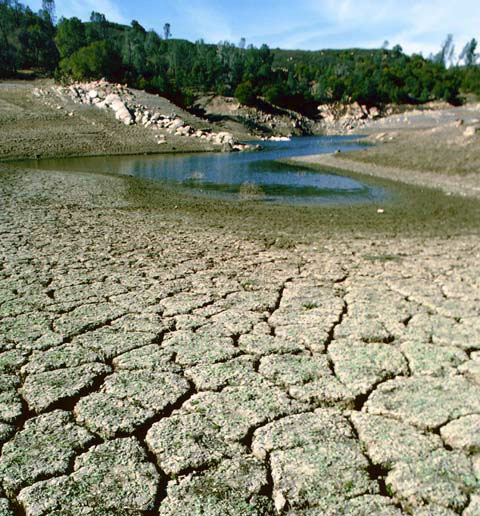 1. List the main reasons for water scarcity.
A: The main reason for water scarcity is that many places, such as hot deserts have very low rainfall.
2. What is a drought? What type of hardships do you think that a drought could cause if you were living in a village in a poor country such as Etophia?
A: A drought is a period of below average precipitation. This can be vary in length.
I think one type of hardship is El Nino, which is when warming develops every three to five years.
3. How does land degradation affect the supply of fresh water?
A: It effects the supply of fresh water because when it precipitates, it doesn't go into the ground and absorb it which goes into the sand filter.
4. a) What is El Nino?
A: El Nino is refers to a warming that develops every three to five years in the pacific ocean off the coast of Peru.
b) Why does El Nino often cause drought in Australia?
A: El Nino causes drought in Australia because the moist easternly trade winds blow to the Pacific Ocean, blowing it the oppisite direction which prevents Australia to have warm moist air.
5. Observe the map showing the global effects of El Nino in 1982-83.
a) What effects does El Nino have on availability of fresh water?
A: El Nino effects the availability of fresh water because there can be long periods of rain which causes flooding, very heavy storms and tidal waves. Then the water becomes heavily polluted during a flood and there are very little clean wtaer is available.
b) Name the countries and describe the problems that arose from decreased rainfall caused by El Nino?
A: Africa- reduced corn crop in Sub Saharan region.
China- Agriculture land under the threat from drought in the northern regions and flooding in Southern regions.
Indonesia- High air pollution levels, following forest fires.
Philippines- Lower rice harvest following drought.
United States- Rainfall above normal in North-western states (double the historical averages)
Colombia- Fishing operators affected by lower catch (down 20%.)
Papua New Guinea- Drought related failure of food crops, leading to femine conditions requiring food aid.
Australia- What exports threatened by drought conditions across grain-growing areas, particularly New South Wles.
Peru- Flooding (also in Chile)
- Fishing operators affected by lower catch asa anchovy and Pacific sardine move offshore to escape warm currents (5C above normal temperatures)
Monday, November 23, 2009
Wednesday, November 18, 2009
GeoActive-water
1. What percentage of the world's supply of water is fresh water?
A: There are 2.5 percent supply of fresh water.
2. Where is the world's supply of fresh water found?
A: Here are some places that fresh water is found; ice on land, groundwater, soil, atmosphere, rivers and lakes.
3. Even though the supply of fresh water is abundant it is still a problem. Why?
A: Because nowadays, people use modern technology and engineering. For examples, people build malls and other buildings that degrades infiltration. So the water might lead to somewhere else.
4. a) Describe the changes in rainfall that occur as you move from the Southern to the Northern tip of Africa.
A: In the South part of Africa, the rainfall is about 250-1000mm, but if you travel to the middle, it's alot of rainfall, which is 1000-2000mm. In the North part, the rainfall is very little, under 250mm. That's why in the middle east it's mostly full of dry deserts.
b) Describe the changes in rainfall that occur as you move from the western to the eastern tip of Australia along the Tropic of Capricorn.
A: The western part of Australia is dry, but a bit more rainfall than the Middle East. If you keep moving to the right, the reain gets heavier.
5. a) Which parts of the world appear to have a large amount of water available per person?
A: The top part of Asia, north america, south america, the middle of africa and the western and northern part of Australia.
b) Which parts of the world appear to have a small amount of water per person?
A) Mostly Europe, Asia and Africa appear to have a small amount of availability.
6. a) What are the main uses of water?
A: The main uses of water are drinking, because you can't live without it, and for showering because it's also a survival need.
b) Which uses have increased the most over the last centuary?
A: Probably industrial jobs, as in if the factories were making new juices or bottled water.
A: There are 2.5 percent supply of fresh water.
2. Where is the world's supply of fresh water found?
A: Here are some places that fresh water is found; ice on land, groundwater, soil, atmosphere, rivers and lakes.
3. Even though the supply of fresh water is abundant it is still a problem. Why?
A: Because nowadays, people use modern technology and engineering. For examples, people build malls and other buildings that degrades infiltration. So the water might lead to somewhere else.
4. a) Describe the changes in rainfall that occur as you move from the Southern to the Northern tip of Africa.
A: In the South part of Africa, the rainfall is about 250-1000mm, but if you travel to the middle, it's alot of rainfall, which is 1000-2000mm. In the North part, the rainfall is very little, under 250mm. That's why in the middle east it's mostly full of dry deserts.
b) Describe the changes in rainfall that occur as you move from the western to the eastern tip of Australia along the Tropic of Capricorn.
A: The western part of Australia is dry, but a bit more rainfall than the Middle East. If you keep moving to the right, the reain gets heavier.
5. a) Which parts of the world appear to have a large amount of water available per person?
A: The top part of Asia, north america, south america, the middle of africa and the western and northern part of Australia.
b) Which parts of the world appear to have a small amount of water per person?
A) Mostly Europe, Asia and Africa appear to have a small amount of availability.
6. a) What are the main uses of water?
A: The main uses of water are drinking, because you can't live without it, and for showering because it's also a survival need.
b) Which uses have increased the most over the last centuary?
A: Probably industrial jobs, as in if the factories were making new juices or bottled water.
Sunday, November 15, 2009
The Water Treatment Plantation
On November 12th, our class went on a trip to the water treatment plantation with Ms. Marrello. The place was called Atrea. It was for several minutes until we reached there. The place was obviously next to a river, beccause that's where the long, tiring process begins. We each had our tour guide to show us around.
In Stage 1, we went to the garbage removel through course and fine filters area. What happened there was they let the water flow from the brown river to the filters. There was this big end of the bulldozer that picked the garbages up and place it to the next station. It lands in their and lifts up, every hour. There were spikes or barriers to prevent the garbage from coming in. The purpose of it was to clean out the water from garbage, 6meters down.
In Stage 2, they add in chemicals and stir to create floc. You could see bubbly brown bubbles floating at the top of the water. The water was still dark brown. The purpose of this process is to add floc and coagulate all dirts particle to stick togeter.
In Stage 3, I could see that they allowed the sediments and floc to settle st the bottom of the water. They were in very deep tanks and the water turned into a better colour. The floc and alum were given time to settle to the bottom.
In Stage 4, the water was filtered through 1 meter of sand. But the sand has to be a specific type of sand; fine, same sized, small and not from the beach. Now the colour is getting real clearer.
In Stage 5, chemical disinfects are added. They also put in chlorine and other chemicals to kill the bacteria. After that happens, they're sent to the reservoirs.
In Stage 6, the final satge, testing is done to make sure water is clean and safe to use or drink. The lab was so amazing, because I've never really set eyes on a lab filled with science equipments. There were beakers filled with pink, green and blue chemical water. It smelt like chlorine. They showed us the before and after water product. Wow, was that a difference!
We ended the trip with watching an animated movie/video about why it's important to help preserving water, maybe by not throwing your garbage or anything harmful in not just the rivers, but also oceans, sinks, lakes and many more. It also reviewed the process we learnt about. There was then a 2-question-quiz, but unfortunately I didn't win the teardrop prize. Oh well my room is stuffed with toys. I enjoyed learning about the process and think that making clean water is a very long, tiring, expensive cycle/process.
In Stage 1, we went to the garbage removel through course and fine filters area. What happened there was they let the water flow from the brown river to the filters. There was this big end of the bulldozer that picked the garbages up and place it to the next station. It lands in their and lifts up, every hour. There were spikes or barriers to prevent the garbage from coming in. The purpose of it was to clean out the water from garbage, 6meters down.
In Stage 2, they add in chemicals and stir to create floc. You could see bubbly brown bubbles floating at the top of the water. The water was still dark brown. The purpose of this process is to add floc and coagulate all dirts particle to stick togeter.
In Stage 3, I could see that they allowed the sediments and floc to settle st the bottom of the water. They were in very deep tanks and the water turned into a better colour. The floc and alum were given time to settle to the bottom.
In Stage 4, the water was filtered through 1 meter of sand. But the sand has to be a specific type of sand; fine, same sized, small and not from the beach. Now the colour is getting real clearer.
In Stage 5, chemical disinfects are added. They also put in chlorine and other chemicals to kill the bacteria. After that happens, they're sent to the reservoirs.
In Stage 6, the final satge, testing is done to make sure water is clean and safe to use or drink. The lab was so amazing, because I've never really set eyes on a lab filled with science equipments. There were beakers filled with pink, green and blue chemical water. It smelt like chlorine. They showed us the before and after water product. Wow, was that a difference!
We ended the trip with watching an animated movie/video about why it's important to help preserving water, maybe by not throwing your garbage or anything harmful in not just the rivers, but also oceans, sinks, lakes and many more. It also reviewed the process we learnt about. There was then a 2-question-quiz, but unfortunately I didn't win the teardrop prize. Oh well my room is stuffed with toys. I enjoyed learning about the process and think that making clean water is a very long, tiring, expensive cycle/process.
Wednesday, November 11, 2009
Bintaro Lama field trip
On Thursday the 5th, half of 6th grade went to Bintaro Lama Kampung and the other half went to a Water Treatment place. Our class was the half that went to Bintaro Lama. Yuki and me were partners, so we were in a bus together in Ms. Whitley's group. We decided we were going to bring a voice recorder. Unfortunately, that wasn't such a good choice because when we were making the powerpoint, I had two voice recordings, but I had to borrow some pictures from Anna. We went to the Kampung which took us about an hour. Finally we arrived there and we each had our tour guides.
In Station 1, we learned about the sand filter. They had to dig 30 meters down to get the sand and water. They then pour in water into the sand filter nad slowly it becomes clean water. At least clean enough to take a shower. This filter contains sand, pebbles/rocks, gravel and water.
In Station 3, we moved on over to SODIS. SODIS is a station where they show how to clean the water by sun drying the bacteria. Some of the things they did was first clean the bottle and bottle cap with a scrubber and soap. Then they pour some water from the sand filter. After that they left the water bottle on top of the roof to sundry. One rule was that the bottle has to have one texture and no labels on it. If it does, the sun will bounce on the bottle, and that will cause it to not kill some bacterias. There should also be no bubbles in them.
In Station 5, we saw the water quality test. They showed us the DelAqua equipments and hot to use it properly. In the bag was some tubes and a measuring tubidity equipments. There were more things,vbut we weren't introduced to them. What you do with it is you connect the 3 tubes together, and make sure to hold the bottom part, where the x or o is so the water doesn’t spill. The point of the x or o is, after you fill up the tube, you shouldn’t see the markings, otherwise the water isn’t clean. How to use the measuring tubidity equipment is you dip in the thinner side and see the number. It's kind of like a thermometer.
Finally we ended the trip by some local kids singing a song for us. It was in Bahasa, and reminded us to wash our hands to be on the safe side. We then did indeed wash our hands with soap and water. This trip was helpful because we see that we get water way easier then the people who live in the Kampung. Also different creative ways to make fresh water.
In Station 1, we learned about the sand filter. They had to dig 30 meters down to get the sand and water. They then pour in water into the sand filter nad slowly it becomes clean water. At least clean enough to take a shower. This filter contains sand, pebbles/rocks, gravel and water.
In Station 3, we moved on over to SODIS. SODIS is a station where they show how to clean the water by sun drying the bacteria. Some of the things they did was first clean the bottle and bottle cap with a scrubber and soap. Then they pour some water from the sand filter. After that they left the water bottle on top of the roof to sundry. One rule was that the bottle has to have one texture and no labels on it. If it does, the sun will bounce on the bottle, and that will cause it to not kill some bacterias. There should also be no bubbles in them.
In Station 5, we saw the water quality test. They showed us the DelAqua equipments and hot to use it properly. In the bag was some tubes and a measuring tubidity equipments. There were more things,vbut we weren't introduced to them. What you do with it is you connect the 3 tubes together, and make sure to hold the bottom part, where the x or o is so the water doesn’t spill. The point of the x or o is, after you fill up the tube, you shouldn’t see the markings, otherwise the water isn’t clean. How to use the measuring tubidity equipment is you dip in the thinner side and see the number. It's kind of like a thermometer.
Finally we ended the trip by some local kids singing a song for us. It was in Bahasa, and reminded us to wash our hands to be on the safe side. We then did indeed wash our hands with soap and water. This trip was helpful because we see that we get water way easier then the people who live in the Kampung. Also different creative ways to make fresh water.
Sunday, November 1, 2009
The water cycle

Evaporation


In this picture, you can see that the sun is heating the water in the ocean, river or sea which causes the liquid to absorb the heat and go to the clouds. When that happens it turns steamy. The wind is also helping it, by blowing the water when it reaches the clouds. Later on it will turn into rain droplets and start all over again alonside the other parts of the water cycle.

Condensation
The picture on the left is when water vapour starts to evaporate and become clouds. Because it evaporates, it creates dew points.
The picture on the left is when water vapour starts to evaporate and become clouds. Because it evaporates, it creates dew points.

Precipatation
This picture clearly shows precipitation is when any form of water; snow, freezing rain, hail, rain or more hits anywere on earth. If it hits water, after that it's evaporation. If it hits ground, it's infiltration.
This picture clearly shows precipitation is when any form of water; snow, freezing rain, hail, rain or more hits anywere on earth. If it hits water, after that it's evaporation. If it hits ground, it's infiltration.

Infiltration
This picture is when any form of water falls on the ground and seeps through. It then becomes ground water. When water precipitates, it can go two ways. It can infiltrate or run- off. Run-off is when any form of water reaches the ground and well.. runs off the ground and falls in the ocean or any body of water.
Thursday, September 3, 2009
Disaster strikes Java
 On September 02 2009 around three o' clock, a disaster hits java, Indonesia. The whole island was shaking from small to big. It was only a few minutes around Jakarta, but in Bandung and Tasikmalaya it was shaking for ten minutes because it was the closest cities to the ocean. This natural disaster caused 2,900 people to be seriously injured and 48 dead. There are also people who are not found yet becasue they're trap underneath houses that collapsed, mostly in the villages. It was 7.0 RS. Scientists said there's going to be an earthquake 30 times more then this, but they're not sure when. Can you imagine it? This earthquake was really dizzy and scary enough for me!
 As we know earthquakes comes from underneath oceans, which causes the water to rise. Scientist and reporters gave out a tsunami warning, but already in some places there was flood. It's not surprising because we are on the ring of fire, unlike if it was in Europe or other places away from it, it would be shocking. As you heard people say that animals always come out before the earthquake or act abnormal, it's because they have senses. If they live underground they would probably hear it or feel the vibration, but if they're not underground they have instincts and don't act like themselves. here's a real life story: In school, when most people were gone home, the teachers were having a meeting when suddenly a big fat snake came out of nowhere. Out of all the days of it's life, the snake chose this day to finally come out to warn people about this earthquake. The teachers were all scared but they didn't realize that it was a warning because they weren't use to earthquakes. Your pet might run around in circles or make unusual noises.
So just be careful.....
Wednesday, August 19, 2009
Typhoon Morokat
 This is a picure of a 6 storey hotel that collapsed in the taitung county in taiwan done by the disasterous Typhoon Morokat. I chose this picture because I wanted to show how strong the current of the waves was at the bottomof the picture. Also I wanted to show how powerful the typhoon was that it knocked down a heavy brick, tall building. It was starting to lean in the first picture and the next one is when it's pulling the weight down. After that it collapses into the river and crashes into peices. Now no one knows where it's vanished to. The officials said that 300 of them were evacuated and uninjured. But dozens are still missing and feared dead. It was the worst flooding in 50 years. It hit Taiwan and the east part of China. The typhoon broke the famous bridge in the Chaiyi river. What we're trying to learn from this natural disaster is the people of Taiwan and how they connect and interact with it. We also want to know how the typhoon can seep into the ground and soil, which bases it down to learning about the environment.
Subscribe to:
Posts (Atom)